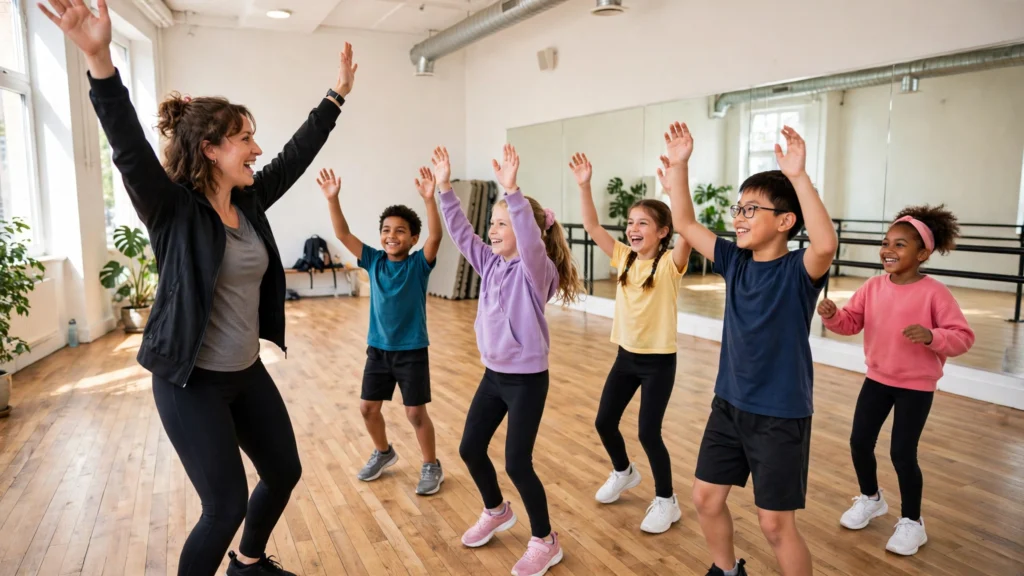
Studios don’t lose students to the studio across town with better mirrors. They lose them in September — and again in January — when a parent searches “dance classes near me” or “ballet classes for kids Brampton,” compares three studios in fifteen minutes, and books trials at the two that made it easy. The third studio, possibly the best teachers of the three, never got the enquiry. It had a beautiful Instagram and a website that couldn’t answer a simple question: what classes, for what ages, at what times, and how do we try one?
This guide covers SEO for dance studios in 2026: how to win registration-season searches, how class and age-group pages quietly decide enrolments, and how to turn your Google Business Profile into a trial-class booking engine.
1. Start with the map: registration decisions happen on your profile
For parents and adult students alike, the shortlist forms on Google. Your Google Business Profile carries more weight than most studios realise:
- Categories: “Dance studio” / “Dance school” as primary, matching how Google labels your type of school, with class-specific categories only where accurate.
- Class information that’s current: your profile and posts should reflect the season actually enrolling — fall registration, January intake, summer camps — not last year’s schedule.
- Photos of real classes: your studio, your teachers, your students in action (with the permissions your studio already uses for recital photos). Parents are picturing their child in that room; show them the room.
- The trial path in one tap: booking link or phone number current, with the trial or intro offer stated the same way on your profile as on your site.
- Services listed as parents search them: ballet, hip hop, jazz, tap, acro, adult classes — named individually, so you appear for the style search, not only “dance studio near me.”

2. Class and age-group pages: how parents actually choose
A parent does not search for “dance.” They search for ballet for a six-year-old, hip hop for a teenager, or adult dance fitness for themselves. Each audience needs its own page:
- Style pages: ballet, hip hop, jazz, tap, lyrical/contemporary, acro — what the class teaches, who teaches it, what students wear and need, and how progression works.
- Age-group pages: preschool and parent-and-tot, children, pre-teen/teen, and adult. The questions differ completely by age — commitment and costuming for kids, drop-in flexibility for adults — and one page cannot answer both.
- Competitive and exam streams: if you offer them, a dedicated page for the families comparing studios seriously — training hours, faculty background, examination boards where relevant.
- Adult beginner classes: the fastest-growing search in many markets, written without intimidation: no experience needed, what to wear, how drop-ins work.
Every page should state schedule, pricing or how pricing is shared, and the trial next step. This page-per-audience structure is exactly what worked for the sister guide in this series on SEO for martial arts studios — parents comparing local studios reward the one that answers their specific question first.
Summer deserves its own line in this structure. Camps, intensives and drop-in summer classes are searched on a different calendar — parents plan them in spring, often while booking everything else for the break — and studios with a real camp page (weeks offered, ages, hours, what a day looks like) capture enrolments that never touch the regular class funnel. The same goes for birthday parties and workshops if you offer them: small pages, seasonal searches, real revenue, and each one another door into the studio.
3. The trial class: your whole funnel in one offer
Almost nobody enrols in a dance studio sight unseen; they trial. So the trial is not a promotion, it’s your conversion system: one clear offer (free or low-cost trial, stated consistently everywhere), a booking path that works on a phone in under a minute, and a page that tells a nervous parent or adult beginner exactly what the first visit is like — where to park, what to wear, whether parents watch, who will greet them. Studios that treat the trial page as an afterthought lose enrolments to studios with average teaching and a frictionless first step. Search brings the parent; the trial offer, clearly explained, gets the child into the room where your teachers can do the rest.
The follow-through matters as much as the offer. A trial student who hears nothing for a week is a former trial student. Note, somewhere visible in your process — and described on the page — what happens after the trial: a personal follow-up, honest advice about which class fits, and a simple enrolment path. Parents comparing two trial experiences choose the studio that treated the trial like the beginning of a relationship, and describing that follow-through online, in plain terms, is part of what convinces them to book the trial at all.
What this looks like in Brampton
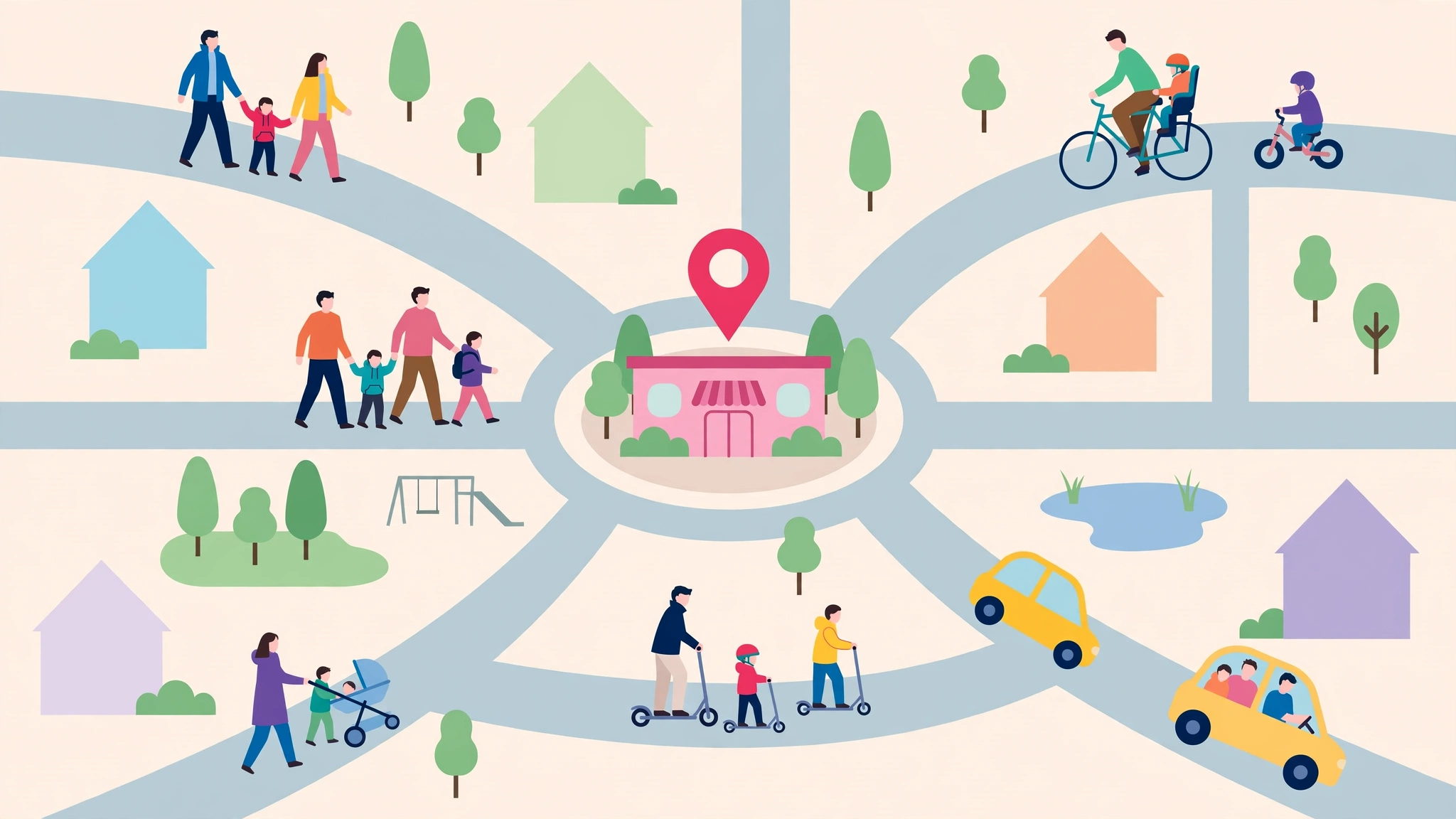
Brampton is a young city — one of the youngest in Canada — and its dance studios serve enormous family demand across Springdale, Castlemore, Fletcher’s Meadow, Mount Pleasant and Bramalea. Parents here compare studios across a wide map, because the city’s families are mobile and word travels through school and community networks fast. The city’s cultural range is also a genuine studio asset: demand spans classical ballet and jazz through hip hop, bhangra and Bollywood styles, and studios that publish class pages for the styles they truly teach capture searches their competitors never see.
The calendar rules everything: the September registration surge, the January second intake, summer camp searches in spring, and recital season, when proud families flood your pages with photos and reviews. Brampton studios that prepare pages and profile posts ahead of each wave — registration content live in August, camp pages up by March — collect enrolments while other studios are still updating last season’s schedule. In a city growing this fast, visibility compounds: each season’s families become next season’s reviews and referrals.
4. Reviews: read by parents, written at recital time
Parents read dance studio reviews like references, because that’s what they are — judgements about teaching quality, communication, costume and fee fairness, and whether kids are happy and progressing. The natural asking moments are recital season and the end of a successful term, when pride is highest: a short message with a one-tap link, sent while families are sharing photos anyway. Reviews that name the class, the teacher and the child’s age group (“ballet for my 7-year-old, Miss A is wonderful”) answer the next parent’s exact questions. Reply warmly and briefly to all of them; prospective parents read your tone as the studio’s culture.
5. AI search and social: discovery is visual, decisions are local
Dance discovery increasingly starts on Instagram and TikTok — a recital clip, a teacher’s choreography — but enrolment decisions still close on Google: hours, location, schedule, reviews. Meanwhile parents ask AI tools “what age can kids start ballet” and “dance studios near me with adult classes.” Both paths reward the same assets: class and age-group pages written in complete, quotable sentences, consistent studio details everywhere, and reviews naming classes and teachers. Keep your socials pointing to the trial booking, keep the facts identical across platforms, and let each channel do its own job.
6. Your website: built to book trials
A studio website’s job is not to win design awards; it’s to move a parent from searching to a booked trial:
- Schedule that’s current and readable on a phone: by day, style and age, updated the week it changes. A last-season schedule quietly tells parents you’re disorganised.
- Pricing clarity: full tuition, or at minimum how fees work — term structure, trial cost, costume and recital fees described honestly. Surprise fees are the top driver of bad reviews in this industry.
- Trial booking in one tap: visible on every page, with the first-visit questions answered on the same page.
- Teacher pages: training, styles, which classes they teach. Parents choose people as much as studios.
7. The yearly rhythm that keeps classes full
Dance SEO follows the studio year. Late summer: registration pages, profile posts and schedule live before the September surge. Autumn: review asks after the first term settles; January-intake content ready before the holidays. Winter: summer camp pages published by early spring; recital-season photo and review rhythm. Spring: exam and competitive results shared (factually, without embellishment), next-season registration opened to your visible audience first. Studios that run this calendar never face an empty September wondering where the enquiries went.
8. What to measure so you know it’s working
Measure trials and enrolments, not applause: trial bookings per class page, your visibility for “dance classes near me” and your key style-plus-age searches, and which styles and age groups fill first. If adult beginner enquiries grow while that page is one paragraph, it earns a real page. Track enquiry-to-enrolment by class for a season and you’ll learn which searches bring families who stay for years — the only number that really compounds for a studio.
Keep one eye on geography, too. Dance families will drive past a closer studio for the right class, but rarely past two. Note the neighbourhoods your enquiries actually come from — if a pocket of the city keeps finding you, your pages, photos and reviews should speak to it by name, and your schedule should respect its commute.
9. Mistakes that quietly cost studios their September
The costly ones: last season’s schedule still live in September. One generic “classes” page for every style and age, so specific searches land nowhere. Pricing so hidden that parents assume the worst and call a competitor. Trial offers mentioned in the studio but nowhere online. Photos of stock dancers instead of your own rooms and recitals. And registration content published after the surge instead of before it — in dance, being two weeks late is the same as being invisible for a year.
Frequently Asked Questions (FAQ)
How do dance studios rank for “dance classes near me”?
With a complete Google Business Profile — current season information, real class photos and steady reviews — backed by individual pages for each dance style and age group, each with schedule, pricing guidance and a trial booking path.
Does each class style need its own page?
Yes. Parents and adult students search by style and age (“ballet classes for kids,” “adult hip hop”), and a page written for that exact search ranks for it and converts far better than one combined classes page.
When should a dance studio publish registration content?
Before each surge: fall registration content live in August, January intake before the holidays, summer camp pages by early spring. Search visibility takes weeks to build; studios that publish during the surge miss it.
How do dance studios get more reviews?
Ask at peak pride — recital season and term end — with a one-tap link, and make it easy for parents to name the class and teacher. Reply warmly to every review; never buy them.
What matters more for a studio: Instagram or Google?
Both, doing different jobs. Social creates discovery and desire; Google closes the enrolment with schedule, location, reviews and booking. Keep them consistent and pointing at the same trial offer.
Get a free SEO audit of your website
A 120 point crawl, a competitor gap map and a 90 day roadmap, ready in 48 hours. Free, with no obligation.

SEOelinks is a Brampton-based SEO agency helping service businesses across Canada and worldwide win organic search. Our strategists publish the same field-tested playbooks on technical SEO, local visibility and AI search that we run for clients every day.
More about SEOelinks →