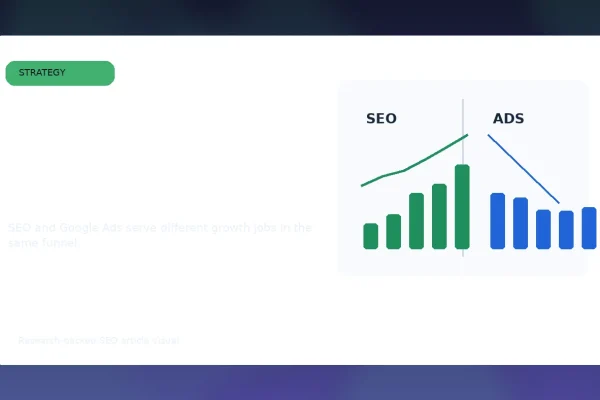
How an SEO Agency Can Double Your Organic Traffic
Updated for 2026 search behavior, Google ranking systems, and practical business growth.

If you are searching for How an SEO Agency Can Double Your Organic Traffic, you probably do not want another generic SEO checklist. You want a practical explanation of what works, what should be avoided, and how to turn search visibility into measurable growth. The real challenge is not finding SEO advice. The challenge is knowing which advice is worth acting on.
Search has become more competitive, more quality-focused, and more connected to user experience. A website can no longer rely on keyword repetition or thin blog posts. To compete, it needs helpful content, clear technical foundations, strong topical coverage, reliable authority signals, and pages that make sense to real readers.
This guide is written for business owners, founders, marketing directors, and decision-makers evaluating professional SEO support. It explains how an seo agency can double your organic traffic in simple formal English, with practical steps, realistic examples, and a structure you can use before investing more time or budget into SEO.
Table of Contents
Keyword and Search Intent Analysis for How an SEO Agency Can Double Your Organic Traffic
The main keyword is How an SEO Agency Can Double Your Organic Traffic. The search intent is mainly informational, but it also has strong commercial value. Readers want to understand the topic clearly, compare possible solutions, and decide what to do next. Some may be beginners. Others may already have a website and need better results from their SEO investment.
Important semantic keywords include search intent, organic traffic, Google rankings, topical authority, technical SEO, content quality, backlinks, Core Web Vitals, mobile-first indexing, conversion rate optimization. These terms help build topical relevance, but they should never be forced into the article. Search engines are better at understanding context than simple repetition, so natural language and useful explanations matter more than mechanical keyword density.
Useful long-tail keywords include:
- how to use how an seo agency can double your organic traffic
- how an seo agency can double your organic traffic checklist
- how an seo agency can double your organic traffic for small businesses
- common mistakes in how an seo agency can double your organic traffic
- best practices for how an seo agency can double your organic traffic
The gap in many competitor articles is execution. They explain what SEO means, but they rarely show how to prioritize work. A better article should explain the decision process, not just list tactics.

Why How an SEO Agency Can Double Your Organic Traffic Matters
Organic search is valuable because it captures people who are already looking for a solution. A person searching on Google is usually trying to learn, compare, troubleshoot, or buy. That makes SEO different from many interruption-based marketing channels.
For this topic, common pain points include unclear agency deliverables, weak reporting, wasted retainers, slow traffic growth, and uncertainty about what SEO work should include. These problems usually come from several connected weaknesses: unclear page structure, thin content, weak internal links, slow pages, poor authority signals, and no clear measurement process.
Consider a growing service business that needs more leads but does not have a full in-house SEO team. The website may look professional, but design alone does not create rankings. Search engines need crawlable pages, clear content, trusted signals, and a good user experience. Visitors need the same things in human terms: clarity, proof, relevance, and a simple next step.
The Practical SEO Framework
The best SEO work usually follows a clear order: access, relevance, authority, experience, and conversion. Skipping this order wastes effort. Publishing more articles will not help much if the pages are not indexable. Building backlinks is risky if the destination page is weak. Redesigning a website is incomplete if redirects, page speed, and internal links are ignored.
1. Confirm Search Access
Search engines must be able to discover, crawl, render, and index your important pages. Review robots.txt, noindex tags, canonical tags, XML sitemaps, redirect chains, broken pages, and internal links. A page that cannot be accessed properly has limited ranking potential.
2. Match the Real Search Intent
Before creating or improving a page, identify what the searcher expects. Are they trying to learn, compare, buy, troubleshoot, or find a provider? The answer should shape the page format, depth, examples, and call to action.
3. Build Topical Authority
One strong page can rank, but a connected group of useful pages usually builds stronger authority. Build supporting articles around related questions, service pages, comparisons, checklists, and industry-specific examples. Internal links should connect these pages naturally.
4. Improve User Experience
User experience includes loading speed, mobile usability, readable formatting, layout stability, secure browsing, and clear navigation. Search engines want to recommend pages that help users quickly and confidently.
5. Connect SEO to Business Results
Ranking is not the final goal. A page should support calls, bookings, leads, sales, newsletter sign-ups, or another meaningful action. Good SEO connects visibility with measurable business outcomes.

Step-by-Step Checklist
| Step | Action | Why It Matters |
|---|---|---|
| 1 | Define the primary search intent. | It keeps the content aligned with what users actually want. |
| 2 | Use the main keyword in the SEO title, first 100 words, one H2, and URL slug. | It clarifies relevance without keyword stuffing. |
| 3 | Create a clean H2 and H3 structure. | It improves readability and helps search engines understand the article. |
| 4 | Add examples, proof, and actionable steps. | It makes the content stronger than generic competitor pages. |
| 5 | Use original images with descriptive alt text. | It improves engagement, accessibility, and image search context. |
| 6 | Add internal links to related pages. | It strengthens site architecture and keeps readers engaged. |
| 7 | Track impressions, clicks, rankings, and conversions. | It shows whether SEO is producing real value. |
Best Practices That Still Work in 2026
The strongest SEO practices are not shortcuts. They are fundamentals performed with care. Create content that answers the query better than the average result. Make pages fast, crawlable, and easy to read. Build topic clusters instead of isolated articles. Earn trust through useful information, expert insight, and credible references.
Natural writing is also important. Content written only for algorithms often feels mechanical. Content written for people explains the topic clearly, uses realistic examples, and avoids repeating the same phrase in every paragraph.
Another reliable practice is updating important content. Older pages may lose visibility because competitors improve, search behavior changes, or the information becomes incomplete. Refreshing examples, improving headings, adding missing sections, and strengthening internal links can recover performance without starting from zero.
Common Mistakes to Avoid
The first mistake is keyword stuffing. Repeating the same keyword unnaturally makes content harder to read and can weaken trust. Use the keyword where it helps clarity, then use related terms naturally.
The second mistake is publishing content without a purpose. Every article should answer a real search query, support a business goal, or strengthen topical authority. Random content rarely creates meaningful organic growth.
The third mistake is ignoring technical problems. A page may be well written, but if it loads slowly, works poorly on mobile, or cannot be indexed, its ranking potential is limited.
The fourth mistake is chasing low-quality backlinks. Relevant links from trustworthy sources can help, but spammy link schemes can create risk instead of authority.

How to Measure Results
Start with a baseline. Record organic sessions, indexed pages, ranking queries, top landing pages, conversions, and technical issues before making major changes. Without a baseline, it is difficult to know whether SEO work is actually improving performance.
Review data monthly. Pages with impressions but low clicks may need stronger titles and meta descriptions. Pages with traffic but poor conversions may need clearer calls to action or better proof. Pages that lose visibility may need content updates, technical review, or stronger internal links.
Useful tools include Google Search Console, Google Analytics, Bing Webmaster Tools, and professional crawling software. Tools are helpful, but they do not replace judgment. The best decisions come from combining data with an understanding of search intent and business goals.

Featured Snippet Optimization
To compete for featured snippets and AI-style summaries, answer the main question clearly near the top of the article. Use concise definitions, step-by-step sections, comparison tables, and direct answers. A strong snippet-style answer for this topic is:
How an SEO Agency Can Double Your Organic Traffic is a practical SEO approach focused on improving search visibility, content relevance, technical performance, user experience, authority, and measurable business results.
Key Takeaways
- How an SEO Agency Can Double Your Organic Traffic works best when it is connected to search intent and business goals.
- Helpful content, technical performance, authority, and user experience all matter.
- Shortcuts can create risk; sustainable SEO comes from consistent quality improvements.
- Measure organic traffic, rankings, conversions, and engagement together.
- Improve high-impact pages before expanding into new content.
FAQs About How an SEO Agency Can Double Your Organic Traffic
How long does SEO take to show results?
Most websites need several months to see meaningful SEO movement. Competitive topics usually take longer because trust, content depth, and authority build over time.
Can a small business handle SEO without an agency?
Yes. A small business can handle basic SEO by improving content, fixing technical issues, adding internal links, and tracking results. An agency is useful when deeper strategy or faster execution is needed.
What is the biggest factor in SEO success?
There is no single factor. Strong SEO usually comes from the combination of helpful content, clean technical foundations, relevant internal links, authority signals, and good user experience.
Should old content be updated or should new content be published?
Both matter, but start with pages that already have impressions or rankings. Improving an existing page can often create faster results than publishing a new page from zero.
Is SEO still worth it with AI search features?
Yes. AI search features still depend on useful, accessible, and trustworthy web content. Clear answers and strong topical authority remain important.
Internal Linking Suggestions
- Link to an SEO audit service page.
- Link to a keyword research guide.
- Link to a technical SEO checklist.
- Link to a content marketing strategy article.
- Link to a conversion optimization page.
External Authority References
- Google SEO Starter Guide
- Google Search Essentials
- Google Core Web Vitals Documentation
- Google Mobile-First Indexing Best Practices
Conclusion
How an SEO Agency Can Double Your Organic Traffic is not a single trick or one plugin setting. It is a long-term method for making a website easier to find, easier to understand, and more useful for visitors. The websites that win in organic search usually do the fundamentals better than their competitors.
If your website is not growing through search, do not guess. Review intent, content quality, technical access, internal links, authority signals, and conversion paths. Then improve the pages with the strongest opportunity first.