
Why High-Quality Content Is the Ultimate Ranking Factor in 2026
There was a time when writing for SEO meant repeating a keyword twelve times and hitting a 500-word minimum. Those days are dead. In 2026, search engines—and more importantly, AI answer engines—prioritize content that genuinely solves a user’s problem. If your website is filled with generic, AI-generated fluff, you will lose rankings to competitors who invest in humanized, highly structured, and deeply researched content.
At SEOelinks, we see the same pattern across the hundreds of site audits we run: businesses with thin, unstructured blog posts struggle to capture organic traffic. This guide breaks down exactly how to structure and design your web content for maximum engagement and SEO impact, without sounding like a robot.

1. Structure for Skimmability (The “H-Tag” Hierarchy)
When a reader lands on your post, they don’t read it from top to bottom. They scan it. If they are met with a wall of text, they will bounce. Search engine crawlers act similarly; they look at your heading tags to understand the structure and depth of your topic.
Best Practices for Blog Structure:
- One H1 Per Page: Your title is your H1. It should include your primary keyword naturally and clearly state what the article is about.
- Use H2s as Your Skeleton: Break your article down into 4 to 8 major subtopics. These are your H2s. They act as handrails guiding the reader down the page.
- Use H3s for Detail: If an H2 section gets too long, break it down further with H3 tags.
- Keep Paragraphs Short: Aim for 2 to 4 sentences per paragraph. Short paragraphs create white space, making the content feel approachable.
2. Visual Optimization: Images Are Content, Too
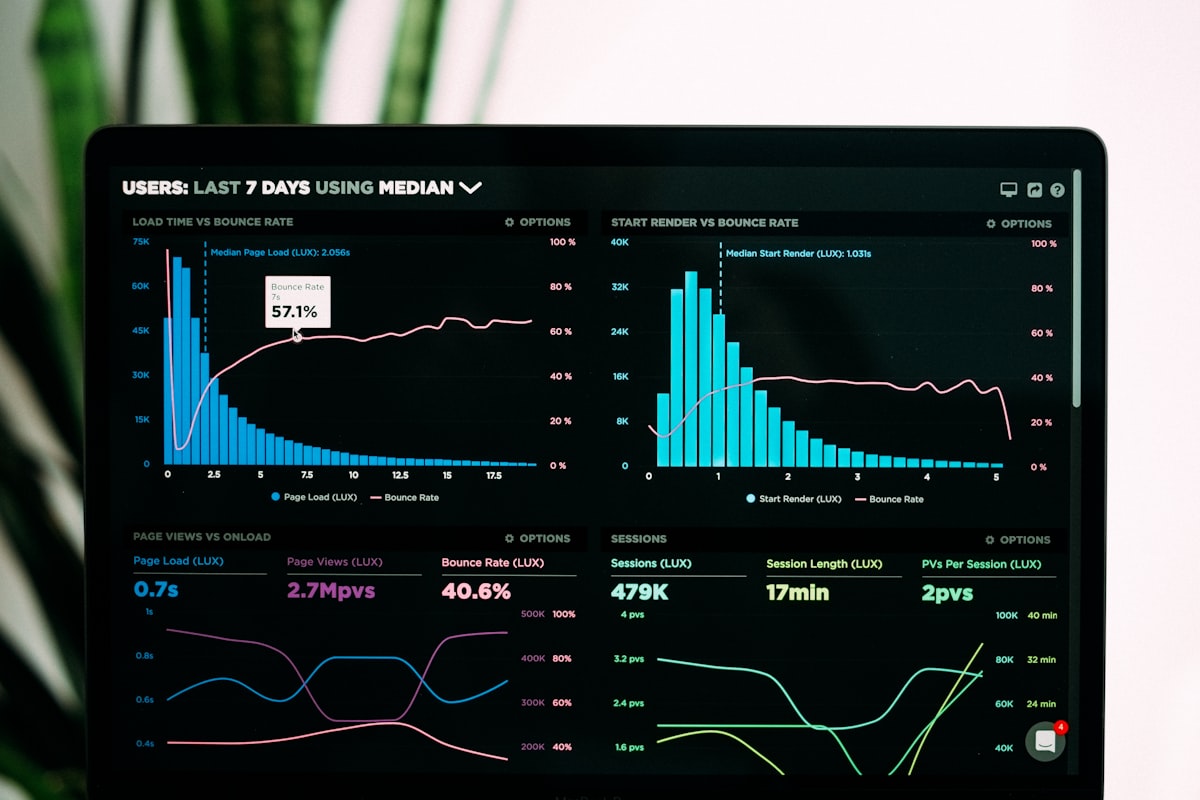
A 3,000-word post without images is exhausting to look at. Visuals break up text, illustrate complex points, and keep users on the page longer. However, if those images are not optimized, they will tank your mobile load speeds (Largest Contentful Paint).
- Format and Compression: Always use next-gen formats like WebP or AVIF. Compress your images before uploading so they are under 150KB.
- Contextual Placement: Don’t just dump stock photos at the end of the post. Place images naturally where they support the surrounding text (about one image every 400-500 words).
- Descriptive Alt Text: Write alt text for every image. Instead of
IMG_9921.jpg, use a descriptive phrase likealt="Website content structure diagram showing H1, H2, and H3 hierarchy".
3. Intent-Driven Keyword Research
Before you write a single word, you must know what the searcher is actually looking for. Search volume alone is a vanity metric if the intent doesn’t match your business goals.
- Analyze the SERPs: Type your target keyword into Google. Are the top results ultimate guides, listicles, or product pages? Your content must match the format Google is already rewarding.
- Target Long-Tail Queries: Instead of trying to rank for “SEO,” target “How to structure a blog post for local SEO.” The volume is lower, but the intent is highly specific and much easier to win.
- Include Semantic Variations: Don’t just repeat your primary keyword. Use related terms (LSI keywords) naturally throughout the text to build topical authority.
4. Humanize Your Content (Beating the AI Detectors)
AI is a great tool for outlines, but raw AI output is generic, repetitive, and boring. Google’s Helpful Content systems are aggressively filtering out low-effort AI spam.
- Add First-Hand Experience: Inject real-world examples, case studies, and personal anecdotes that an AI simply wouldn’t know.
- Answer Questions Directly: Start sections by directly answering the user’s question, then expand on the details. This is how you win AI Overviews (SGE) and Featured Snippets.
- Have an Opinion: AI writes safely in the middle. Take a stance. If a popular industry tactic doesn’t work, say so, and explain why.

5. The Power of Internal Linking
A beautifully written, 3,000-word guide is useless if it exists on an island. You must connect your content through internal links.
- Link to Money Pages: When writing a blog post, always find a natural way to link back to your core service or product pages using descriptive anchor text.
- Hub and Spoke: Link related blog posts to one another to create a “content cluster,” which signals deep topical authority to search engines.
Building high-quality, long-form content is an investment. But unlike paid ads that disappear the moment your budget runs out, a well-structured, deeply researched post will continue to drive targeted traffic to your website for years to come. Start with a solid structure, answer the searcher’s intent, and inject real human expertise.