
SEO insight
The Future of SEO Services in 2026: AI Overviews, EEAT & Hyper-Personalization
April 3, 2026
The Future of SEO Services in 2026: AI Overviews, EEAT & Hyper‑Personalization
Search engines continue to evolve at breakneck speed. In 2026, ranking well isn’t just about sprinkling keywords into a page; it’s about demonstrating experience, expertise and authority, satisfying search intent in new zero‑click formats and building genuine connections with your audience. This long‑form guide explores the major forces that are shaping SEO services in 2026 and offers actionable strategies for small business owners and marketing teams who want to stay ahead of the curve.
Why long‑form content still matters
You might wonder if investing in 2 000‑plus word articles is still worth it now that search results pages often show AI overviews or direct answers. The data says yes. A recent study found that long‑form posts over 3 000 words attract three times more traffic and 3.5 times more backlinks than shorter articles【452698699548991†L647-L656】. Backlinks remain a core ranking factor, so producing in‑depth resources on your site can help you accrue more authority even as search evolves.
Quality over quantity
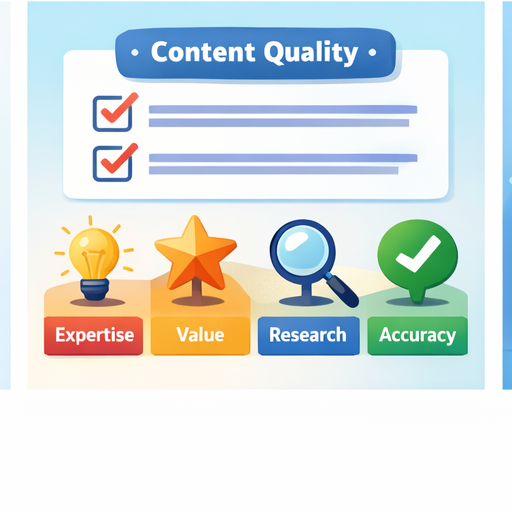
However, length alone doesn’t guarantee results. To earn trust and user engagement, each section of your article needs to deliver value. Here’s how to approach long‑form content in 2026:
- Cover subtopics comprehensively. Break your article into logical sections that answer related questions, so readers don’t need to pogo stick back to search results.
- Use data and expert quotes. Numbers and quotes add credibility and help support your points.
- Add interactive elements. Tables, charts and images keep readers engaged. We’ll suggest relevant visuals throughout this guide.
- Optimise for readability. Use clear headings, bullet lists and short paragraphs. Don’t be afraid of whitespace.
AI overviews & zero‑click searches
Google’s Search Generative Experience (SGE) and other AI assistants are changing the way results are displayed. Instead of a simple list of ten blue links, users increasingly see AI‑powered summaries and answer boxes at the top of the page. These “zero‑click” results provide quick answers, but they also raise the bar for content creators: you need to structure information so it’s easy for AI to summarise and surface.
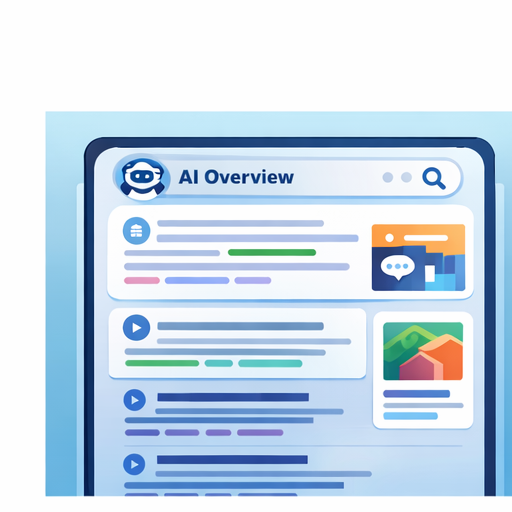
Optimising for AI overviews
To maximise your visibility in AI overviews:
- Answer questions directly. Incorporate FAQ sections and bullet points that succinctly address common queries. Clear, concise answers are more likely to be pulled into an AI summary【989001086208783†L61-L73】.
- Use structured data. Schema markup (FAQ, How‑To, Product) helps search engines identify the most important details on your page.
- Create tables and lists. AI overviews often extract information from well‑formatted tables. Present data in a structured format where possible.
- Aim for the main entity. Make sure your primary keyword appears in the page title, H1 tag and first paragraph. Use synonyms naturally throughout the content.
Navigating zero‑click behaviour
Zero‑click results mean fewer visitors may click through to your site, but there are still benefits. Being featured in the AI overview positions your brand as an authority and can drive brand recognition. To encourage clicks:
- Include a compelling sentence that invites users to read more (“Learn how to implement these steps in our full guide below…”).
- Offer downloadable resources or calculators that require a click.
- Optimise your snippet and meta description to promise value beyond the summary.
E‑E‑A‑T & building brand authority
Experience, Expertise, Authoritativeness and Trustworthiness (E‑E‑A‑T) have grown from a guideline into a critical ranking factor【989001086208783†L93-L106】. Google’s documentation emphasises that high‑quality content is written by people who have real‑world experience and that the site demonstrates credibility through reviews, awards and other signals【765346257901386†L129-L147】.
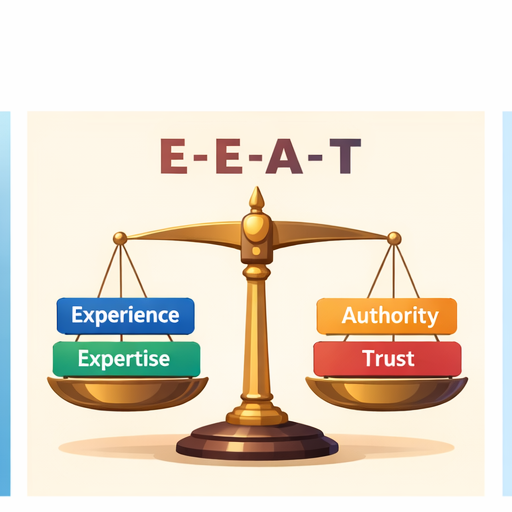
Steps to improve E‑E‑A‑T
- Showcase author credentials. Provide short bios for authors with links to their social profiles or previous work.
- Publish original research and case studies. Nothing builds authority like sharing unique data or results from your own experiments.
- Earn high‑quality mentions. Encourage interviews, guest articles and citations on other reputable sites. Google uses these third‑party mentions to gauge authority【765346257901386†L129-L147】.
- Encourage reviews and testimonials. Both on your site and on third‑party platforms (Google Business Profile, Yelp) to build trust.
- Add “proof blocks.” As The Digital Elevator notes, adding proof elements like awards, certifications or press mentions can strengthen trust signals【991905684054148†L119-L137】.
Voice search & conversational SEO
Voice assistants—like Google Assistant, Siri and Alexa—are no longer novelties. By 2026, voice queries account for a significant share of searches, especially for local businesses and quick answers. This shift demands a conversational tone in content and an emphasis on natural language.
Strategies for voice search
- Use long‑tail keywords. Voice queries tend to be longer and more specific (“Where can I find an organic coffee shop near me?” rather than “organic coffee shop”).
- Optimise for questions. Include headings and sections that start with who, what, where, when and how.
- Speed matters. Voice results often pull from the fastest websites. Compress images, minify code and leverage browser caching to improve load times.
- Local intent. Ensure your business name, address and phone number are consistent across platforms and add schema markup for LocalBusiness.
Local SEO & hyper‑personalization
The future of SEO isn’t one‑size‑fits‑all. Search engines use personal context—location, device, past behavior, preferences—to deliver results tailored to each user. Local businesses that embrace hyper‑personalization can build deeper connections with customers and stand out in the SERPs.
Keys to hyper‑personalization
- Segment your audience. Identify different personas (e.g., regulars, tourists, vegans) and tailor content for each segment.
- Use dynamic content. Display personalized offers or recommendations based on user location or browsing history. If you’re a restaurant, highlight lunch specials for midday visitors and dinner menus for evening browsers.
- Leverage microdata. Structured data like
sameAs,openingHoursandareaServedhelp search engines match your business to the right queries. - Consistency across channels. Keep your brand voice and messaging consistent whether users find you on your website, social media or Google Business Profile.
The role of data privacy in personalized SEO
As we move toward hyper‑personalization, businesses must also respect privacy laws and user preferences. Regulations like GDPR and CCPA empower consumers to control how their data is collected and used. Transparent opt‑ins and clear privacy policies build trust.
Balancing personalization with privacy
- Ask for consent. Use cookies banners and opt‑in forms to let users choose which data they share.
- Offer value in return. Personalized recommendations, loyalty points or exclusive content provide incentives for users to share data.
- Stay compliant. Monitor evolving data protection laws and adjust your practices accordingly.
Internal linking & content hubs
Another way to future‑proof your SEO is to build topic clusters. Create a comprehensive pillar page (like this one) and link to related posts about specific tactics—AI overviews, E‑E‑A‑T case studies, voice search optimization guides and local SEO checklists. Internal linking not only helps search engines understand the structure of your site, it also encourages users to explore more of your content.
Example linking strategy
- Link this article to in‑depth posts on each subtopic (e.g., “How to structure your content for AI overviews” or “E‑E‑A‑T case studies in the medical niche”).
- Use descriptive anchor text (e.g., “E‑E‑A‑T case studies” rather than “click here”).
- Ensure that each post links back to the pillar page so the topic cluster is complete.
Conclusion: preparing for 2026 and beyond
SEO services in 2026 will revolve around building genuine authority, embracing emerging search formats and tailoring content to individual users. While algorithms and technologies may change, the fundamentals remain: create high‑quality, human‑centered content, optimize it for both search engines and people and build a reputable digital footprint. By investing in long‑form articles like this one and implementing the strategies outlined above, you’ll be well positioned to thrive in the ever‑shifting search landscape.
FAQs
Q1: What is the most important ranking factor in 2026?
There isn’t a single factor that guarantees rankings, but E‑E‑A‑T (Experience, Expertise, Authoritativeness and Trustworthiness) is one of the most critical signals【989001086208783†L93-L106】. Combine strong E‑E‑A‑T with fast page speed, structured data and user engagement to maximize your visibility.
Q2: How long should a blog post be for SEO in 2026?
While there’s no hard rule, research shows that long‑form posts over 3 000 words garner three times more traffic and 3.5 times more backlinks than shorter articles【452698699548991†L647-L656】. Focus on depth and quality rather than hitting an arbitrary word count.
Q3: Are AI‑generated articles effective?
AI can speed up ideation and outline creation, but human input is essential to ensure accuracy, originality and voice. Search engines prioritize content that demonstrates real experience and expertise【991905684054148†L94-L106】.
Q4: How do I optimize my site for voice search?
Use natural language, answer questions directly, optimize page speed and ensure your local listings are consistent and well‑structured. Voice queries are often location based, so local SEO is key.
Q5: Will personalization kill traditional SEO?
No—personalization enhances SEO by delivering more relevant results to users. Brands that embrace personalization while respecting privacy will build stronger relationships and rank better for targeted queries.