
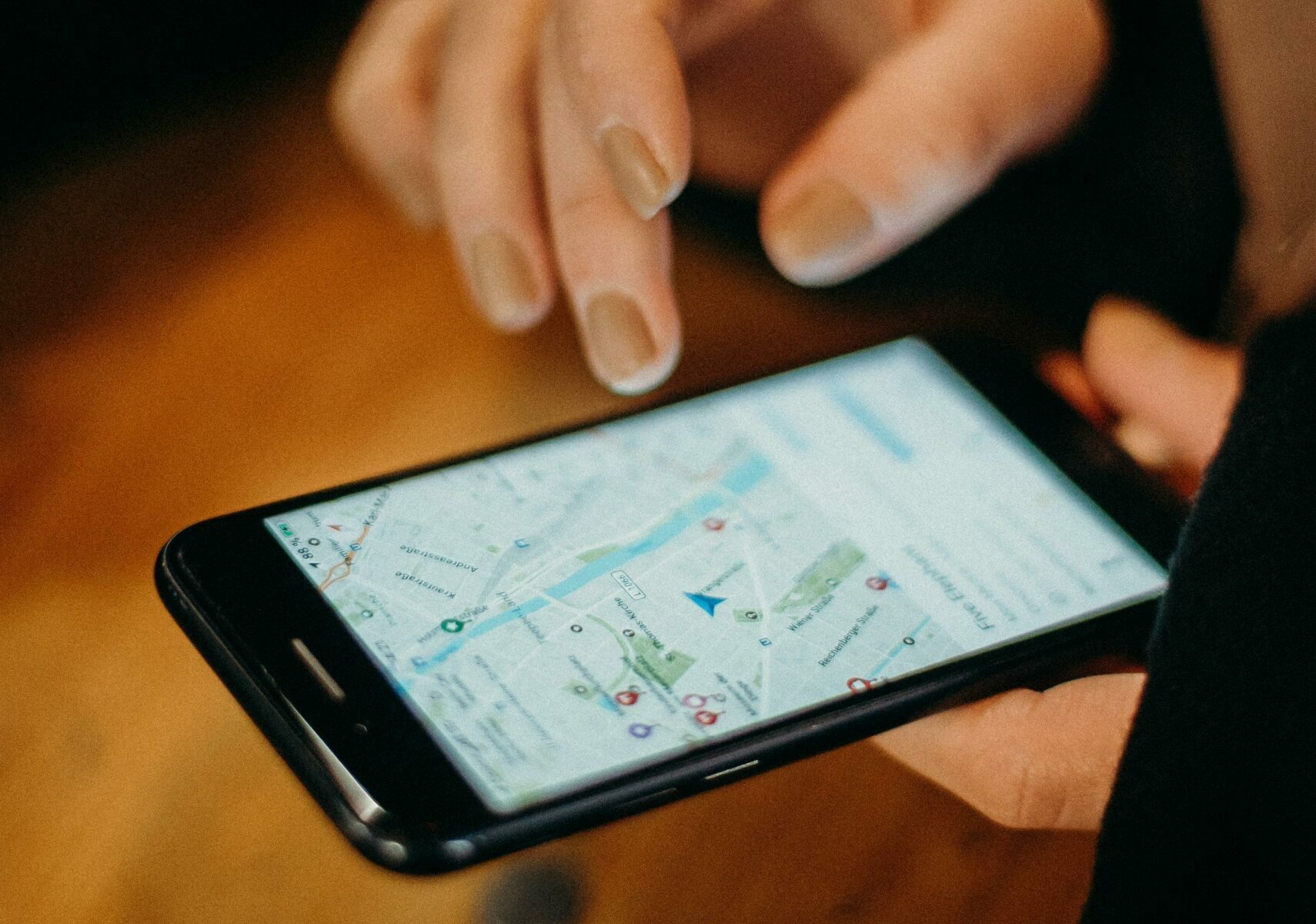
Imagine a customer standing two streets away from your shop, phone in hand, typing “coffee shop near me” or “plumber near me open now.” Google shows three businesses. If you are not one of them, that customer walks into a competitor’s door. This is what local SEO for small businesses is all about in 2026, and the good news is that you do not need a big budget or a tech degree to win at it. You need a simple plan, done consistently.
Local SEO is the work you do to show up when people search for what you sell in your area. It covers your Google Business Profile, your website, your reviews, and the information about you that appears all over the internet. Nearly half of all Google searches have local intent, which means people are looking for something nearby right now. And local searches are hungry: a large share of people who search “near me” on their phone visit a business within a day, and a good slice of those searches end in a purchase.
In this guide, we keep it simple. No jargon, no 200-point checklists. Just the steps that actually move the needle for a small business in 2026, in the order you should do them.
What local SEO means in 2026 (and why it matters more than ever)
Local SEO used to mean stuffing your city name into a website and hoping for the best. In 2026 it is closer to building a reputation that Google can verify. Google wants to answer one question: when someone nearby needs this product or service, which real, trusted businesses should we show?
Three forces make local SEO bigger than ever this year. First, mobile and voice search keep growing, and voice queries are heavily local. A big share of “near me” voice searches leads people to call or visit a business the same day. Second, AI answers like Google’s AI Overviews now summarize many searches, and they pull from the same trusted local signals: complete profiles, fresh reviews, and consistent information. Third, competition caught up. Your competitors are asking for reviews now, so standing still means falling behind.
Here is the simple mindset shift: you are not optimizing for Google. You are proving to Google that real customers choose you, talk about you, and find accurate information about you everywhere they look. Do that, and the rankings follow.
How Google decides who shows up locally
Google’s local results are mainly based on three things: relevance, distance, and prominence. Understanding these three saves you from wasting months on the wrong tactics.
Relevance means how well your business matches the search. If someone searches “emergency dentist,” a dental clinic with a clear emergency dentistry page is more relevant than a clinic that only says “we do dentistry.” This is why dedicated pages for each service, written with the words real customers use, are one of the strongest local ranking factors.
Distance is where you are compared to the searcher. You cannot move your building, but you can serve more areas by creating honest service area pages and keeping your address consistent everywhere.
Prominence is how well-known and trusted you are, online and offline. Reviews, local links, news mentions, and a complete, active Google Business Profile all feed prominence. Google’s own guidance says your Business Profile directly improves your local ranking.
Step 1: Make your Google Business Profile perfect
Your Google Business Profile (GBP) is your storefront on Google. It powers the map pack, the reviews, the hours, the photos, and the call button. Local search experts consistently rank GBP signals as the single biggest factor in the local pack, often around a third of the total weight. Treat it like your most important marketing asset, because it is.
Do this checklist once, then maintain it weekly:
- Claim and verify the profile, and pick the most accurate primary category. The category is one of the strongest relevance signals.
- Fill in everything: hours, phone, website, services, products, attributes like “wheelchair accessible” or “free Wi-Fi.” Empty fields are missed opportunities.
- Write a business description in plain language that includes your main services and your city, as if you were explaining yourself to a new neighbor.
- Add photos every month. Real photos of your team, your work, and your location beat stock images. Businesses that post photos regularly get more calls and direction requests.
- Use posts weekly to share offers, news, and updates. Fresh activity is a trust signal.
- Enable messaging and booking links if you can answer quickly. Speed to contact wins local customers.
Finally, keep your name, address, and phone number (called NAP) exactly the same on your profile, your website, and every directory. Consistency tells Google the information is trustworthy.
Step 2: Build a steady flow of reviews
Reviews are the heartbeat of local SEO in 2026. Review signals make up a growing share of local ranking factors, and many local SEO studies put them at about a fifth of the total, up from a few years ago. But rankings are only half the story. The other half is human: when a customer sees two similar businesses, the one with more recent, detailed reviews wins the click, the call, and the visit.
The system is simple. Ask every happy customer, every time, in the easiest way possible. Give them a direct review link that opens straight to your Google review box. Ask in person at the moment they smile, then follow up with a text or email within a few hours. Reply to every review you get, good or bad, within a day or two. Replies show Google and future customers that a real human runs this business.
Aim for steady velocity, not bursts. Two or three new reviews every week looks natural and healthy. A sudden jump of fifty reviews in one weekend looks suspicious to Google and to customers.

Step 3: Use local keywords and dedicated service pages
Your website is where Google checks that your profile is true. The strongest on-page local signals are dedicated pages for each service and geographic keyword relevance in your content. That means one clear page per service, not one giant “services” page that mentions everything in a paragraph.
For each service page, write in plain English: what the service is, who it is for, what it costs or how pricing works, your process, your service area, and answers to the five questions customers actually ask you. Use the phrases people really type, like “same-day dentist in [city]” or “kitchen renovation contractor near [area].” Put your city in the page title, in one heading, and naturally in the text. Do not repeat it twenty times; that old trick now hurts more than it helps.
Add a location page for each area you truly serve, with real details: landmarks, local projects, and honest notes about how you work there. Thin, copy-pasted city pages are easy for Google to ignore in 2026.
Step 4: Get listed everywhere (citations) and stay consistent
Citations are mentions of your business name, address, and phone number on other websites: directories, chambers of commerce, industry sites, local blogs. They act like votes of confidence that you are a real local business. Start with the basics: Apple Maps, Bing Places, Facebook, and the main directories for your industry and your city.
The rule that matters in 2026 is consistency. If your phone number differs across three directories, Google has to guess which one is right, and guessing lowers trust. Search your business name once a quarter, fix any mismatch you find, and keep a single master sheet with your exact NAP details that everyone on your team uses.
Step 5: Publish local content and earn local links
Content is how you show up for the questions people ask before they are ready to buy. A bakery that publishes “best birthday cakes in [city]” or “gluten-free bakeries near me: what to look for” gets discovered earlier in the journey. One helpful local article or guide per month is enough for most small businesses.
Local links still matter for prominence. Sponsor a school team, join the local business association, offer a quote to a local news site, or partner with a complementary business for a joint guide. Each real mention on a real local website is a trust signal that competitors cannot fake.
Local SEO mistakes to avoid in 2026
Some mistakes quietly kill local rankings. Buying fake reviews is the fastest way to get penalized and lose trust. Keyword-stuffing your profile name, like “Bob’s Plumbing Best Plumber Near Me,” violates Google’s guidelines and gets profiles suspended. Ignoring negative reviews makes them louder. Letting your profile go stale, with old hours and no photos since 2023, tells Google you might be closed. And copying competitor content word for word gets you filtered out, because Google already has that text.
Local SEO is not a trick. It is the discipline of being the most accurate, active, and reviewed business in your area. Do the five steps above for six months and you will be surprised how quickly the map pack opens up for you.
Frequently Asked Questions (FAQ)
How long does local SEO take to work?
Most small businesses see meaningful movement in 3 to 6 months. A complete Google Business Profile with steady reviews can show improvements in weeks, while website authority builds more slowly.
Is local SEO worth it for a very small business?
Yes, often more than for big brands. Local searches convert into visits and purchases at high rates, and small businesses can win their area with consistency instead of budget.
Do I need a website if I have a Google Business Profile?
Yes. The profile gets you noticed, but the website proves relevance with service pages and captures people who want to research before calling.
How many reviews do I need to rank?
There is no magic number. What matters is a steady flow of recent, genuine reviews and thoughtful replies. Velocity and freshness beat a big old total.
Should I pay for local SEO services?
The most valuable local SEO services are managing your Google Business Profile, creating content, and fixing your website, in that order. Do the basics yourself first, then hire help for what you cannot do weekly.
Ready to get found on Google?
If you want a pair of expert eyes on your local presence, our team can audit your Google Business Profile, your reviews, and your service pages for free. Visit seoelinks.com and tell us your city and your main service. We will show you exactly what to fix first, in plain English.
Visual Guide

For a Brampton-specific service review, see Brampton SEO services for the technical, local and content work that can be scoped around verified business details.