When someone searches “financial advisor near me” or “retirement planner [city],” they are not browsing — they are shortlisting. That search usually happens at a life moment: a job change, an inheritance, a new child, retirement getting close. The advisor who shows up first, looks credible, and answers the searcher’s actual question gets the introductory call. The advisor who doesn’t show up at all never enters the conversation.
Financial services SEO has one extra layer most industries don’t: everything you publish sits inside a regulated profession. Content has to attract clients and survive a compliance review. This guide covers how to do both in 2026 — local rankings, Google Business Profile, trust signals, niche content, compliant reviews, and visibility in AI search.
1. Local SEO is the main game for advisory firms
Most independent advisors and small firms win clients within a defined geography — the city they’re in and the suburbs around it. Search behaviour matches that: location-specific queries like “financial advisor in [city],” “fee-only planner near me,” and “[city] wealth management” are where the high-intent traffic lives.
Google Business Profile: your local storefront
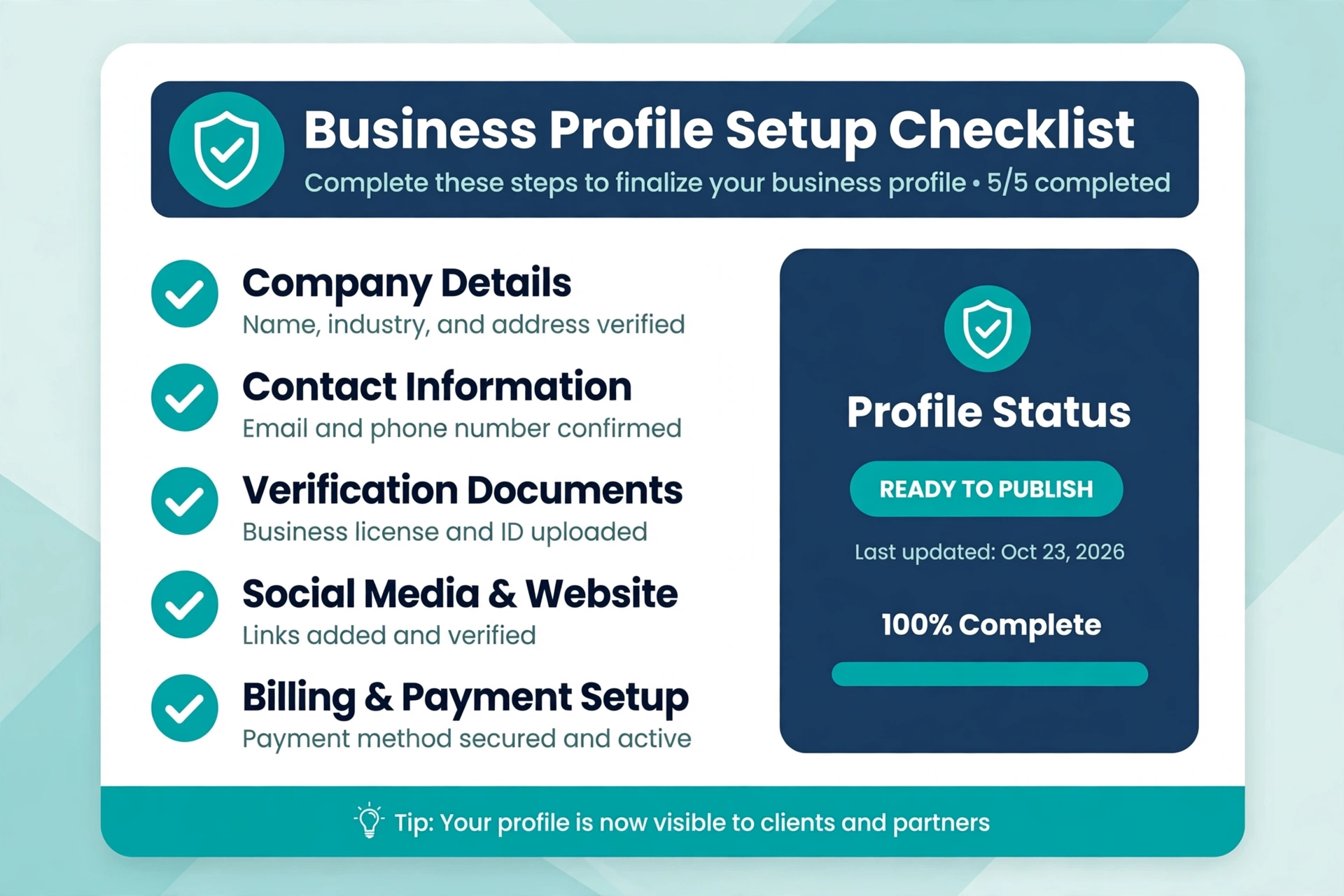
For map and local-pack results, a complete Google Business Profile is the single most visible asset an advisory firm has. Set it up like it matters, because it does:
- Category: choose the most accurate primary category available — “Financial Planner,” “Financial Consultant,” or “Investment Service,” depending on your actual registration and services. Add relevant secondary categories rather than stretching one category to cover everything.
- Description: write out your real services (retirement planning, tax planning, estate coordination, business-owner planning) and the communities you serve. Avoid promotional superlatives — in a regulated profession, measured language is both safer and more credible.
- Service area: list every city and suburb you genuinely serve, not just the one your office sits in. Most clients will meet you virtually or travel a reasonable distance; your profile should reflect that.
- Photos: add real photos of your office, your team, and your meeting space. Prospects are deciding whether to trust you with their savings; a profile with genuine photos of real people outperforms a logo and a stock image every time.
- Posts and updates: publish periodically — a note about tax-season deadlines, a new team member, a community event you’re sponsoring. An active profile signals a living practice.
- Q&A: seed the questions prospects actually ask (“Do you offer a first meeting at no charge?” “What is your minimum portfolio size?”) and answer them in plain, compliant language.
Location pages that earn their place
If you serve several distinct communities, give the major ones their own pages — e.g. yourfirm.com/financial-advisor-[city]. Each page needs genuinely unique content: the neighbourhoods you serve there, the client types common in that area (commuters, business owners, retirees), and how meetings work for clients in that location. A template with the city name swapped reads as thin content to Google and as generic to the humans reading it. Add LocalBusiness/FinancialService schema with areaServed set to each city you actually serve.
Citations and consistency
Claim and complete your listings on the directories prospects and search engines cross-check: your regulator’s or association’s public registry where applicable, Yelp, the Chamber of Commerce, and advisor-specific directories your credentials qualify you for. Your firm name, address, and phone number must match character-for-character everywhere — “Harbourview Wealth” on one listing and “Harbourview Wealth Management” on another reads as two different businesses to a search engine.
2. Compliance-friendly content: the YMYL reality
Financial advice content is what Google classifies as YMYL — “Your Money or Your Life” — because bad advice can genuinely harm people. YMYL pages are held to a higher standard of demonstrated expertise, experience, authoritativeness, and trustworthiness (E-E-A-T). For advisors, this is not a burden; it’s a moat. Firms willing to publish careful, credentialed content outrank firms that publish hype.
The practical rules:
- Educate, never promise. Content explains how things work — how tax brackets interact with withdrawal order, what a retirement income plan includes, how fees are structured. It never guarantees returns, predicts markets, or implies a strategy works for everyone. Phrases like “guaranteed growth,” “beat the market,” or “risk-free returns” are compliance problems and trust problems.
- Name the author, show the credentials. Every article should carry a byline with the advisor’s name, designations, and a short bio, plus a firm “About” page that states licensing/registration clearly. Anonymous content from “the team” underperforms on YMYL topics because Google — and readers — can’t verify who’s behind it.
- Add the disclosures your regulator expects. General educational content should say so: that it is general information, not personal advice, and that readers should speak with a qualified advisor about their situation. Keep language aligned with your firm’s compliance manual, and route published content through whatever review process your dealer or regulator requires before it goes live, not after.
- Keep content current. Tax rules, contribution limits, and program names change. An outdated article with last decade’s figures actively damages credibility with prospects who notice — and they do notice. Date your content and review the core pages at least annually.
- Use first-hand experience. A walkthrough of how you actually build a retirement income plan, or the questions you ask in a first meeting, demonstrates experience in a way generic content can’t. It also converts better: prospects can picture working with you.
3. Niche content that matches how clients actually search
Broad terms like “financial advisor” are dominated by national firms and aggregator sites. Independent advisors win on specific, problem-shaped searches — the ones tied to the moments that trigger advice-seeking:
- Retirement transitions: “what to do with a pension when you change jobs,” “retirement income planning at 60,” “when to start government benefits.” These are long, specific queries with a real person and a real deadline behind them.
- Tax planning: seasonal and specific — year-end tax planning checklists, tax-efficient withdrawal ordering, incorporating vs. sole proprietorship from a planning angle. Tax content must be extra careful: general education only, with a clear pointer to the reader’s own accountant for their situation.
- Life events: inheritance, selling a business, divorce, a special-needs family member, a sudden windfall. Each is a service page or guide where empathy and clarity matter as much as keywords.
- Profession niches: if you serve physicians, dentists, business owners, or a specific industry, build dedicated pages for them. “Financial planning for dentists” is a far easier and more profitable ranking than “financial advisor.”
Structure matters as much as topics. Build one strong hub page per service (retirement planning, tax planning, estate planning coordination), then support it with the specific question articles above, interlinked. A prospect who lands on a narrow question and finds a clear path to the broader service — and to a booking link — is the entire model working as intended.
4. Reviews: powerful, and bounded by compliance
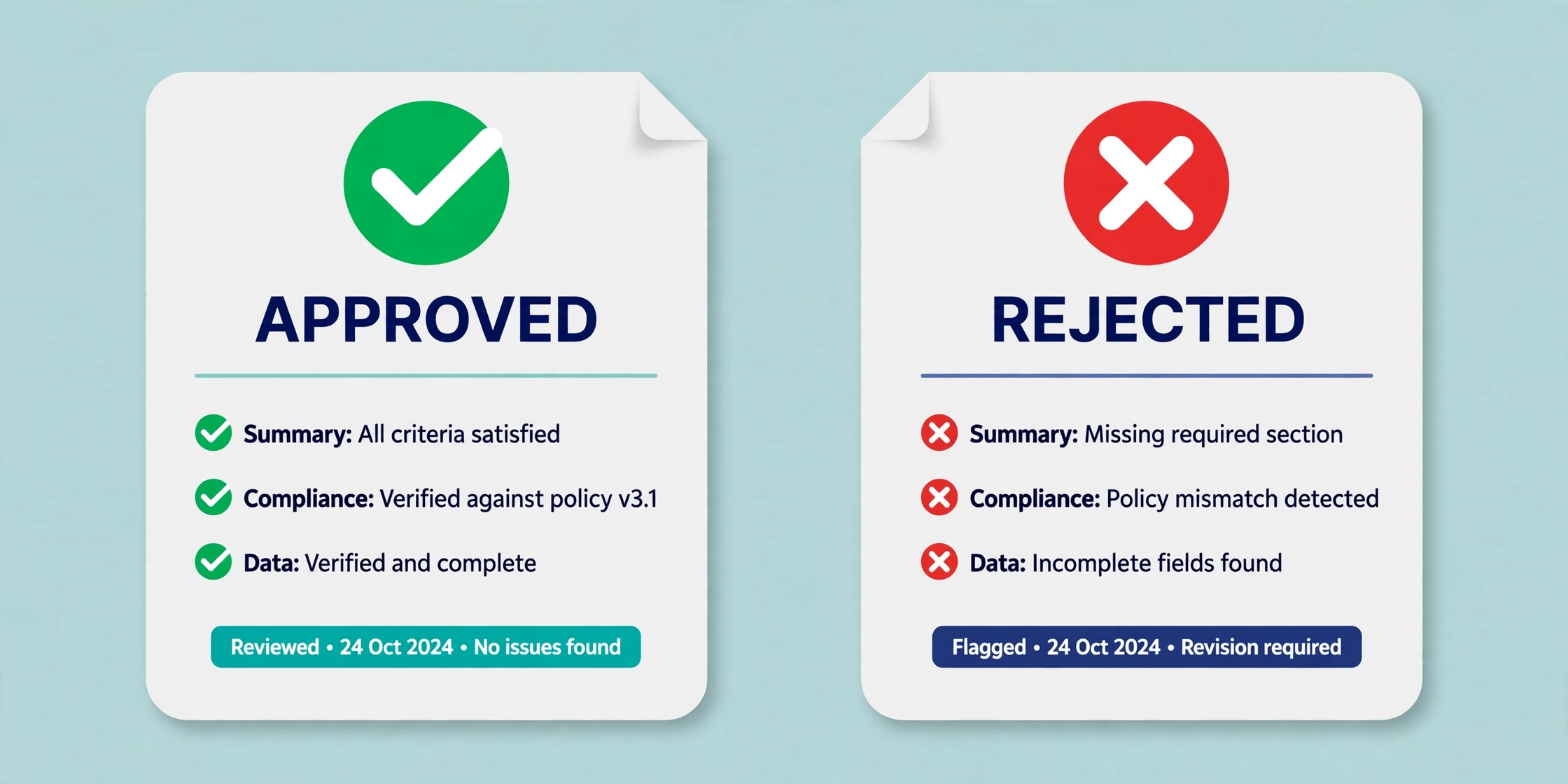
Reviews strongly influence local rankings and, even more, whether a prospect trusts you enough to book. But advisory firms operate under rules many businesses don’t: testimonial and endorsement rules vary by regulator and jurisdiction, and some firms are prohibited from soliciting or publishing testimonials at all.
Work within your own rules:
- Know your regulator’s position first. Before building any review program, confirm what your compliance department or regulator permits regarding soliciting, displaying, and responding to client reviews. This article is general guidance, not compliance advice — your firm’s rules govern.
- Where permitted, make it easy and neutral. A direct link to your Google review page, shared after a positive service moment, is the standard approach. Ask for an honest review of the experience — communication, clarity, responsiveness — never coach the content, never offer incentives, and never ask anyone to discuss returns or performance.
- Respond to every review professionally. A short, gracious reply (“Thank you for the kind words — glad the planning process felt clear”) is both good manners and a visible trust signal. Never include client-specific details in a response.
- Don’t fake it, ever. Purchased or fabricated reviews are a regulatory risk, a platform risk, and a reputational risk in a profession built entirely on trust. A steady trickle of genuine reviews beats a suspicious burst.
5. Show up in AI search (2026 edition)
Prospects increasingly ask ChatGPT, Google’s AI Overviews, and Perplexity questions like “what should I look for in a financial advisor in [city]?” or “how does retirement income planning work?” AI tools answer by citing sources they can parse and trust. For advisory firms, AI visibility is earned the same way rankings are — with clear, credentialed, consistent information:
- Write in answerable units. Pages that directly answer one question per section — with the answer stated plainly near the top of the section — are what AI tools quote. Burying the answer under three paragraphs of throat-clearing means someone else gets cited.
- FAQ sections on service pages. Add 3–5 real client questions to each core service page (“How are you compensated?” “What happens in the first meeting?” “Do you work with clients across the province/state?”). FAQ content feeds both AI answers and classic search features.
- Keep your facts consistent everywhere. Firm name, services, service area, credentials, and team details should match across your site, Google Business Profile, and directories. AI systems cross-reference; contradictions quietly remove you from consideration.
- Publish the credentialed voice. Named advisors with visible designations, quoted explaining a concept clearly, are far more citable than anonymous firm copy. This is E-E-A-T doing double duty.
6. Technical basics that quietly cost you clients
- A booking path on every page. Every service page and article should end one click from booking an introductory call or submitting an inquiry. Prospects who have to hunt for how to reach you mostly don’t.
- Mobile and speed. Prospects research advisors on phones, often at night. A slow or clumsy mobile site undermines the competence your content works to establish. Test the inquiry flow on your own phone.
- HTTPS, clean navigation, Search Console. The unglamorous fundamentals: secure site, services findable within two clicks from the homepage, and Google Search Console verified so you can see which queries actually bring visitors.
- Accessibility. Clear headings, readable type, and alt text on images serve both your clients — many of whom are older — and search engines reading your pages.
Frequently Asked Questions (FAQ)
How long does SEO take for a financial advisor?
Expect early movement in local rankings within a few months from Google Business Profile optimization and a steady review flow, with content and location pages compounding over 6–12 months. YMYL topics reward patience: Google needs to see consistent, credentialed publishing before it trusts a firm with top positions on money questions.
Can financial advisors ask clients for Google reviews?
It depends on your regulator and your firm’s compliance policy — testimonial rules differ by jurisdiction and registration category. Where it is permitted, ask neutrally for honest feedback about the service experience, never coach the content, and never tie anything of value to a review. Confirm your firm’s position before starting any review program.
What should advisors blog about?
The questions clients bring to first meetings: retirement income basics, tax-planning concepts, what to do after a job change or inheritance, how fees work, how to choose an advisor. Educational, specific, and clearly labelled as general information — each post is a page that can rank for a real, high-intent search.
Is SEO worth it for a small advisory firm?
For most local firms, yes — because the alternative client-acquisition channels (referrals alone, purchased leads, seminars) either don’t scale or cost more per client over time. One well-ranked service page or location page can bring in introductory calls for years after the work is done.
How do financial advisors appear in AI search results?
By publishing clear, credentialed content that directly answers common questions, keeping firm details identical across their website, Google Business Profile and directories, and using FAQ sections AI tools can quote. AI systems cite sources that look verifiable — named advisors with real designations and consistent facts.

SEOelinks is a Brampton-based SEO agency helping service businesses across Canada and worldwide win organic search. Our strategists publish the same field-tested playbooks on technical SEO, local visibility and AI search that we run for clients every day.
More about SEOelinks →