When someone searches “dentist near me,” they are not browsing. They have a toothache, a broken filling, or a kid who needs a checkup, and they will book with one of the three practices Google shows them. In the United States alone, “dentist near me” is searched well over a million times every month. That is not traffic you advertise to; that is demand you position for. This guide shows how dental practices win that demand with SEO in 2026.
Dental SEO is different from regular SEO in one important way: it is almost entirely local and almost entirely trust-based. Patients choose a stranger to work inside their mouth, so they research harder and trust signals matter more. The good news is that a focused local SEO system, done consistently, fills chairs at a cost per patient that ads cannot match.
Why dentists need SEO more than ever in 2026
The way patients choose a dentist has fully moved online. The overwhelming majority of consumers use Google to find local businesses, and for healthcare choices most people research online before they decide anything. Word of mouth still matters, but now it happens in public: in reviews, in map pack stars, and increasingly in AI answers that name the “best dentists near me.”
At the same time, competition has professionalized. Corporate dental groups buy ads and run national SEO. The independent practice that relies on referrals alone slowly becomes invisible to the new families moving into the area, who have no neighbor to ask and simply open Google. SEO is how you introduce yourself to them first.
There is also a trust dividend. A practice that ranks on page one, shows 200 recent reviews, and publishes honest answers about costs and procedures looks established before the first phone call. SEO does not just bring patients; it pre-sells them.
Win the map pack: your Google Business Profile
For dentists, the map pack is the front door. When a patient searches “dentist near me,” Google shows the map with three practices, their stars, their distance, and their hours. Getting into those three spots is mostly about three things: a complete and active Google Business Profile, a strong and steady flow of reviews, and a website that clearly matches local searches.
Start with the basics done perfectly: choose “Dentist” as your primary category and add specific categories like “Cosmetic dentist” or “Emergency dental service” where true. Add every service with plain-language descriptions. Upload real photos of your team, your reception, and your treatment rooms, because patients are literally shopping for a place they will feel calm in. Keep holiday hours accurate; nothing kills trust like showing up to a closed clinic.
Then build the habit layer: weekly posts about availability and services, answers to the questions box, and replies to every review within a day or two. Practices that look alive on their profile get the tie-breaking click when two options look similar.
The keywords your patients actually type
Dental keyword research is simple if you think like a patient in pain or a parent with a schedule. Patients search with location and intent: “dentist near me,” “emergency dentist [city],” “dentist open Saturday,” “teeth whitening cost [city],” “Invisalign dentist near me,” “pediatric dentist [area].” They rarely search technical terms; they search symptoms and worries like “tooth pain when biting” or “how much does a root canal cost.”
Build one page per high-value intent. An emergency dentistry page that says you see same-day patients, with your phone number huge and your process in three steps. A cost guide page that gives honest price ranges and explains insurance and payment plans. An Invisalign or whitening page with before-and-after photos of real patients. These pages convert because they answer the exact worry behind the search.
Do not forget the “best” queries, like “best dentist in [city].” Google answers them with a mix of map pack, reviews, and third-party lists. Your job is to be everywhere those answers look: your profile, your review count, and reputable local directories.
Website pages that book patients
A dental website has one job: turn a worried visitor into a booked appointment in under a minute. That means a click-to-call button that never hides on mobile, a booking widget on every page, and hours and address visible without scrolling. Speed matters too; patients on a phone in pain will not wait for a slow site.
Structure the site like your treatment menu: a clear page for each service family, from checkups and cleanings to implants, whitening, Invisalign, and emergency care. On each page include what the visit involves, what it costs or how pricing works, how long it takes, and answers to the five questions your front desk hears most. Plain language beats clinical language every time.
Add trust elements patients actually scan: photos and bios of the dentists with credentials, real before-and-after galleries, and your review widget. Healthcare is a “your money or your life” topic for Google, so demonstrating experience, expertise, authorship, and trust on every page is both good for patients and good for rankings.
Reviews: the currency of dental trust
In dentistry, reviews are not marketing; they are proof of safety. Patients read them like medical records of your bedside manner. Review signals are a significant and growing share of local ranking factors, and for dentists they carry extra weight because the purchase is personal and a little scary.
Build a review system into the patient journey: ask at checkout when the experience is fresh, send a same-day text with your direct review link, and train the team to mention specific things patients can write about, like “tell them how gentle Dr. Lee was with your cleaning.” Reply to every review, and treat every negative review as a private patient-care opportunity first and a public relations moment second.
Content that builds authority (and gets cited by AI)
Patients ask AI assistants things like “is Invisalign worth it for adults” or “how to find a good dentist.” The practices that get cited are the ones publishing honest, experience-based answers: real cost ranges, real timelines, real photos, and clear explanations of risks and alternatives. Write one patient-education article a month, answer-first, with your dentist’s name and credentials on it.
This content compounds. A cost guide written in 2025 and refreshed in 2026 keeps ranking, keeps getting cited, and keeps calming anxious patients before they ever call. It is the cheapest marketing asset a practice can own.
Measuring dental SEO: the numbers that matter
Forget vanity metrics and track the patient funnel: calls and bookings from organic search, map pack impressions and actions (calls, directions, website clicks) from your Business Profile, reviews per week, and rankings for your ten money keywords like “emergency dentist [city].” Review these four numbers monthly. When calls dip, check reviews and profile activity first; they are the fastest levers.
Give it six to twelve months. Dental SEO is a trust game, and trust compounds. Practices that stay consistent usually reach a point where most new patients say the same sentence at the front desk: “I found you on Google.”
Frequently Asked Questions (FAQ)
How long does SEO take for a dental practice?
Most practices see clear movement in 3 to 6 months and strong patient flow in 6 to 12, depending on local competition and how steady the review and content habits are.
Is SEO better than ads for dentists?
They work best together, but SEO wins on cost per patient over time and keeps working when the ad budget stops. Patients also trust organic results and reviews more than ads.
Which pages should a dental site have?
One page per service family, an emergency page, honest cost guides, a dentist bio page with credentials, and a reviews-rich local presence. Dedicated service pages are a top local ranking factor.
Do reviews really affect dental rankings?
Yes. Review signals are a growing share of local pack ranking factors, and for dentists they also decide which of three similar practices gets the call.
Can a new practice rank against old ones?
Yes, with a perfect profile, aggressive review building from day one, and content that answers real patient questions. Freshness and velocity can beat age.
Fill your chair with patients who found you on Google
We build patient-getting SEO systems for dental practices: map pack optimization, service pages that book, and review engines that run on autopilot. Visit seoelinks.com and request the free dental SEO audit. We will show you the exact searches your future patients are typing right now, and how to be the practice they call.
Visual Guide
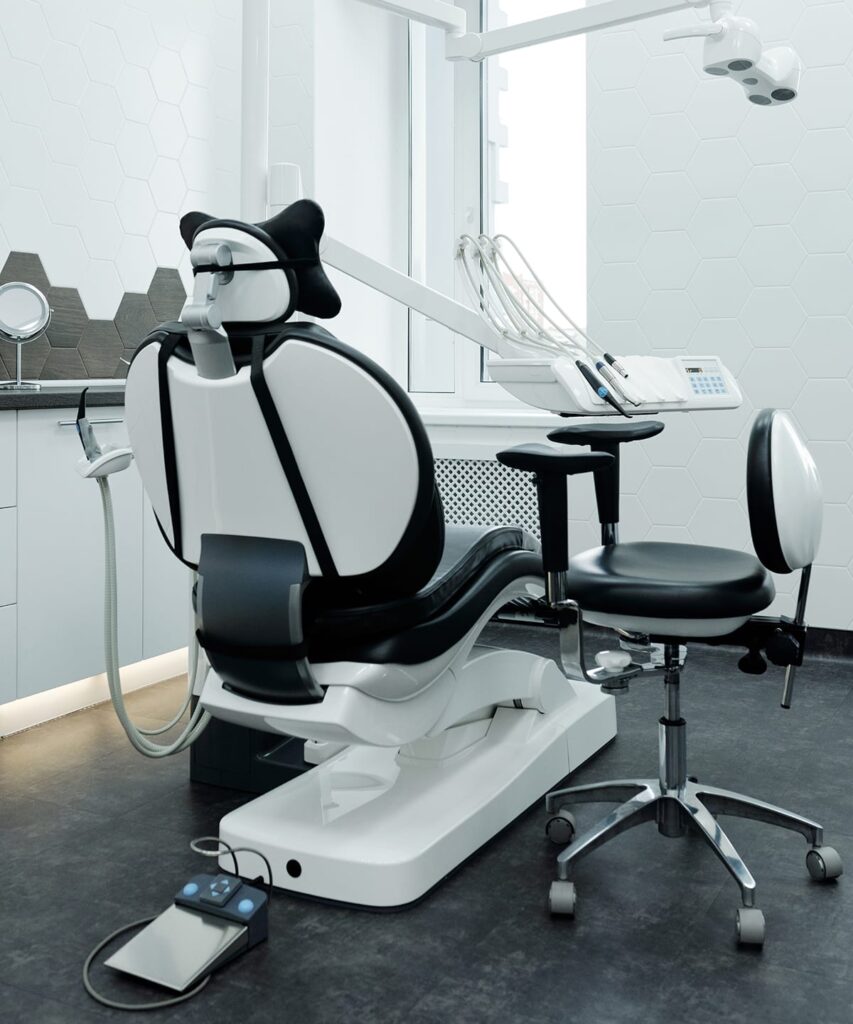


SEOelinks is a Brampton-based SEO agency helping service businesses across Canada and worldwide win organic search. Our strategists publish the same field-tested playbooks on technical SEO, local visibility and AI search that we run for clients every day.
More about SEOelinks →